Best NAS Hard Drives
NAS drives are purpose-built for always-on operation inside multi-drive enclosures. Unlike desktop drives, they use CMR recording, include vibration compensation for adjacent drive vibration, and carry 24/7 operation ratings. These are the top picks for Synology, QNAP, and other home NAS systems.
| # | Product | Capacity | Read | Write | Warranty | Score | $/TB | Price | Buy |
|---|---|---|---|---|---|---|---|---|---|
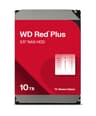
| 1 |  WD Red Plus 8TB NAS Hard DriveBest value WD$234.99 Check Price on Amazon | 8TB | 210 MB/s | 210 MB/s | 3 years | 75.9 | $29.37/TB | $234.99 | Check Price on Amazon |
| 2 | $299.99 Check Price on Amazon | 8TB | 210 MB/s | 210 MB/s | 3 years | 73 | $37.50/TB | $299.99 | Check Price on Amazon |
| 3 | $455.75 Check Price on Amazon | 10TB | 210 MB/s | 210 MB/s | 3 years | 70 | $45.58/TB | $455.75 | Check Price on Amazon |
| 4 | $314.99 Check Price on Amazon | 16TB | — | — | 5 years | 62.3 | $19.69/TB | $314.99 | Check Price on Amazon |


Showing 4 top picksSee all best nas drives →
Frequently Asked Questions
Can I use a desktop hard drive in a NAS?
Technically yes, but it's not recommended. Desktop drives are not rated for continuous 24/7 operation and lack vibration sensing used in multi-drive bays. In a single-drive enclosure, a desktop drive may work fine. In a 4+ bay NAS, use NAS-rated drives — the reliability difference is real over years of continuous use.