Best Streaming Microphones by Value Score
Microphones ranked by our Value Score: Amazon buyer rating weighted by review count, current price and warranty. Dynamic mics reject background noise; condenser mics capture more detail.
| # | Product | Warranty | Score | Price | Buy |
|---|---|---|---|---|---|
| 1 |  RODE $86.00 Check Price on Amazon | 2 years | 81.1 | $86.00 | Check Price on Amazon |
| 2 | $109.00 Check Price on Amazon | 2 years | 79.8 | $109.00 | Check Price on Amazon |
| 3 | $99.00 Check Price on Amazon | 1 year | 69.6 | $99.00 | Check Price on Amazon |
| 4 | $439.00 Check Price on Amazon | 2 years | 67.9 | $439.00 | Check Price on Amazon |
| 5 |  Audio-Technica $119.00 Check Price on Amazon | 1 year | 67.9 | $119.00 | Check Price on Amazon |
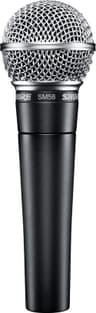

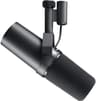
Showing 5 top picksSee all best streaming mics →
More picks in this category
Frequently Asked Questions
What is the best microphone for streaming in 2026?
The Shure MV7 is the top pick for broadcast-quality voice in untreated rooms — its dynamic element rejects background noise and keyboard clatter. The HyperX QuadCast S is the value pick for streamers who want RGB, multiple polar patterns, and solid sound under $160.
USB or XLR microphone for streaming?
USB mics (Blue Yeti, QuadCast) are plug-and-play — no interface needed. XLR mics (Shure MV7X) require an audio interface but give you higher quality ceiling and upgrade flexibility. The Shure MV7 does both. Start with USB unless you already have an interface.