LG 27GS95QE Ultragear 27" OLED QHD 240Hz vs LG 27GP850-B 27" QHD Nano IPS 165Hz
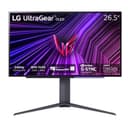
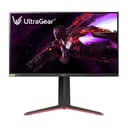
Specs compared
| Spec | LG 27GS95QE Ultragear 27" OLED QHD 240Hz | LG 27GP850-B 27" QHD Nano IPS 165Hz |
|---|---|---|
| Capacity | nullGB | nullGB |
| Interface | DisplayPort | DisplayPort |
| Form Factor | 27-inch OLED | 27-inch IPS |
| Read Speed | — | — |
| Write Speed | — | — |
| Endurance | — | — |
| Warranty | 3 years | 3 years |
| Value Score | 48.1 | 72.0 |
| Current Price | $702.71 | $379.99 |
Which one should you buy?
LG 27GS95QE Ultragear 27" OLED QHD 240Hz
Choose the LG 27GS95QE OLED if image quality — black levels, color accuracy, and HDR contrast — matters as much as gaming performance, and you're comfortable managing OLED burn-in risk.
LG 27GP850-B 27" QHD Nano IPS 165Hz
Choose the LG UltraGear 27GP850 if you game 8+ hours daily with static HUDs (strategy games, MMOs) and want zero burn-in risk from a proven Nano IPS panel.
What the spec table doesn't show
OLED pixel response time is 0.03ms — 33× faster than the GP850's 1ms GtG IPS panel. In practice that means zero motion blur trails on fast-moving objects. However, OLED panels are susceptible to permanent image retention from static elements — a minimap, health bar, or crosshair overlay sitting in the same position for hours. LG's Pixel Refresher cycle runs automatically, but competitive gamers who leave games paused or on static menus for extended periods should treat burn-in as a real (if slow) risk.
Verdict
If you want the best image quality available in a 1440p 240Hz gaming monitor, the LG 27GS95QE OLED is in a different league. For competitive gaming with long daily sessions and static UI elements, the LG GP850's Nano IPS eliminates any burn-in concern entirely — choose it for peace of mind and long panel lifespan.
Zoltan LukacsiUpdated June 23, 2026