OLED Burn-In Risk Unchanged Since 2017 in 10,000-Hour Test
RTINGS' 10,000-hour test found modern OLEDs develop the same burn-in as 2017 panels. Brightness doubled but organic burn-in resistance did not.
RTINGS' ongoing OLED longevity study reached the 10,000-hour mark this week, simulating roughly 10 years of regular use. Tom's Hardware reported the results on August 16 and Hackaday followed on August 17. The core finding: modern OLED panels, including 2022 and 2023 models with all burn-in prevention features enabled, developed the same image retention as 2017-era panels under identical test conditions.
What the test found
The test ran at maximum SDR brightness with continuous static content. Static patterns burned into every panel tested, regardless of pixel-shifting and auto-brightness protections. Between 2017 and 2023, there were no major advances in burn-in resistance. Manufacturers gained brightness, not durability.
The practical upside: modern OLEDs are roughly twice as power-efficient as 2017 panels at the same luminance level. Running a 1,000-nit display at 500 nits applies less stress to the organic emitters than a 2017 owner running their 500-nit panel at full output. At realistic home brightness settings, the 10-year life projection holds for most users.
What this means before you buy
Brightness is the variable you control. RTINGS found the 10-year life projection holds when running modern OLEDs at 60–70% of peak output. Enable built-in compensation cycles — they work at reversing early image retention before it becomes permanent. The real risk sits at the opposite end: productivity workflows with persistent toolbars or game HUDs at maximum brightness, held for months at a time.
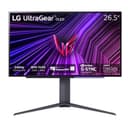
The LG 27GS95QE OLED (QHD, 240Hz) includes both pixel shifting and auto-brightness limiting. Those features, combined with a 60–70% brightness setting, represent what the test data actually supports.
Frequently Asked Questions
Is OLED burn-in still a real risk in 2026?
Yes, according to RTINGS' 10,000-hour longevity test results published in August 2026. Static elements including game minimaps, health bars, and HUDs burned into even the newest OLED models with all burn-in prevention measures enabled. Modern OLEDs are roughly twice as bright as 2017 panels, but the organic material's vulnerability to image retention has not improved. Running at 60–70% peak brightness is the most effective mitigation for gaming use.
What brightness should I run my OLED gaming monitor at?
For most gaming use, 60–70% of peak brightness is a practical target. RTINGS' 10,000-hour test found that the doubled brightness headroom of modern OLEDs is their primary longevity advantage over 2017 models. Running at lower output levels subjects the organic emitters to less stress per hour, extending panel life without meaningfully affecting gaming image quality.
Should burn-in concerns stop me from buying an OLED gaming monitor?
Not for typical gaming use. RTINGS' test used maximum SDR brightness with continuous static content, a worst-case scenario. Gamers who vary content, use lower brightness settings, and enable built-in panel care features should see negligible burn-in. The concern is real for heavy productivity use with persistent static elements like taskbars or terminals running at maximum brightness for months.