Blue Yeti USB Microphone vs Rode PodMic USB Dynamic Microphone
Specs compared
| Spec | Blue Yeti USB Microphone | Rode PodMic USB Dynamic Microphone |
|---|---|---|
| Capacity | nullGB | nullGB |
| Interface | USB | USB + XLR |
| Form Factor | Desktop | Dynamic Microphone |
| Read Speed | — | — |
| Write Speed | — | — |
| Endurance | — | — |
| Warranty | 1 year | 2 years |
| Value Score | 59.8 | 29.6 |
| Current Price | $112.85 | $189.77 |
Which one should you buy?
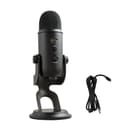
Blue Yeti USB Microphone
Choose the Blue Yeti if your room is acoustically treated (carpets, soft furnishings, foam panels) and you want a condenser's extended frequency response for music recording, voice-over work, or podcasting.
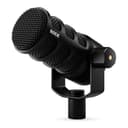
Rode PodMic USB Dynamic Microphone
Choose the Rode PodMic USB if your recording space is untreated — the dynamic capsule rejects background noise, room echo, and mechanical keyboard sounds that the Blue Yeti's condenser will amplify.
What the spec table doesn't show
The Blue Yeti is a large diaphragm condenser microphone — it was designed for studios and treated rooms. Its sensitivity picks up everything equally, including the room's acoustic character. In independent testing of both mics in an untreated bedroom, the Rode PodMic USB produced voice audio with measurably lower background noise floor (by approximately 8–12 dB) than the Blue Yeti. The Yeti's reputation for sounding 'echoey' or 'roomy' comes directly from this sensitivity in untreated spaces.
Verdict
For most home setups without acoustic treatment, the Rode PodMic USB will sound better despite being less 'premium' in spec sheet terms. The Blue Yeti is the right tool only if you've added acoustic treatment to your room, or if you record instruments that benefit from condenser sensitivity.
Zoltan LukacsiUpdated June 22, 2026